World Stroke Day is observed on October 29.

I didn’t really think about strokes until I had mine. My two strokes were caused by a carotid dissection because of a genetic condition called fibromuscular dysplasia.
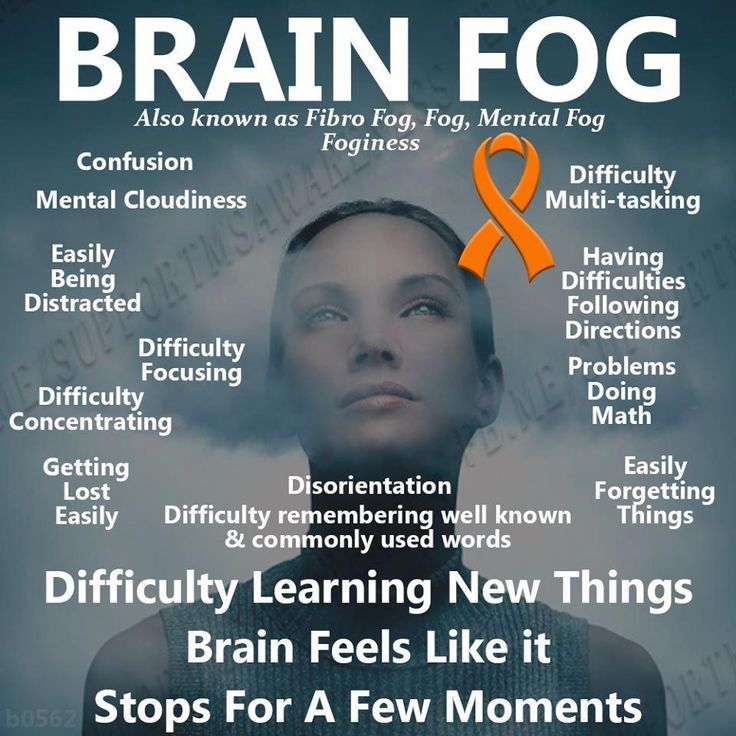
As a result I have conditions called aphasia and apraxia. I am plagued with routine throbbing headaches, mental and physical exhaustion and “brain fog” when I do too much.
The bottom line is 20% of my brain is dead. I was 50 years old and in good health.
This photo shows my brain scan. The white sections on my brain shows dead brain tissue.
But I really want to stress one of the lucky ones. I am leading a productive and happy life despite it all.
Here are some sobering strokes statistics:
Stroke kills about 140,000 Americans each year—that’s 1 out of every 20 deaths.
Someone in the United States has a stroke every 40 seconds.
Every 4 minutes, someone dies of stroke.
Every year, more than 795,000 people in the United States have a stroke.
About 610,000 of these are first or new strokes.
About 185,00 strokes—nearly 1 of 4—are in people who have had a previous stroke.
About 87% of all strokes are ischemic strokes, in which blood flow to the brain is blocked.
Stroke costs the United States an estimated $34 billion each year.
This total includes the cost of health care services, medicines to treat stroke, and missed days of work.
Stroke is a leading cause of serious long-term disability.
Stroke reduces mobility in more than half of stroke survivors age 65 and over.
However, there has been a rise out of younger people having strokes mainly because of energy drinks.

I didn’t really think about strokes until I had mine. My two strokes were caused by a carotid dissection because of a genetic condition called fibromuscular dysplasia.
As a result I have conditions called aphasia and apraxia. I am plagued with routine throbbing headaches, mental and physical exhaustion and “brain fog” when I do too much.
The bottom line is 20% of my brain is dead. I was 50 years old and in good health.
This photo shows my brain scan. The white sections on my brain shows dead brain tissue.
But
 I really want to stress one of the lucky ones. I am leading a productive and happy life despite it all.
 Here are some sobering strokes statistics:
Stroke kills about 140,000 Americans each year—that’s 1 out of every 20 deaths.
Someone in the United States has a stroke every 40 seconds.
Every 4 minutes, someone dies of stroke.
Every year, more than 795,000 people in the United States have a stroke.
About 610,000 of these are first or new strokes.
About 185,00 strokes—nearly 1 of 4—are in people who have had a previous stroke.
About 87% of all strokes are ischemic strokes, in which blood flow to the brain is blocked.

Stroke costs the United States an estimated $34 billion each year.
This total includes the cost of health care services, medicines to treat stroke, and missed days of work.
Stroke is a leading cause of serious long-term disability.
Stroke reduces mobility in more than half of stroke survivors age 65 and over.
However, there has been a rise out of younger people having strokes mainly because of energy drinks.
And finally, heed the warning signs of strokes: “BEFAST.”
Comments