Floaters are actually tiny clumps inside the eye that cast shadows on the retina. They’re common as we age, especially after fifty, and usually they’re harmless. Doctors will tell you that most people eventually tune them out.
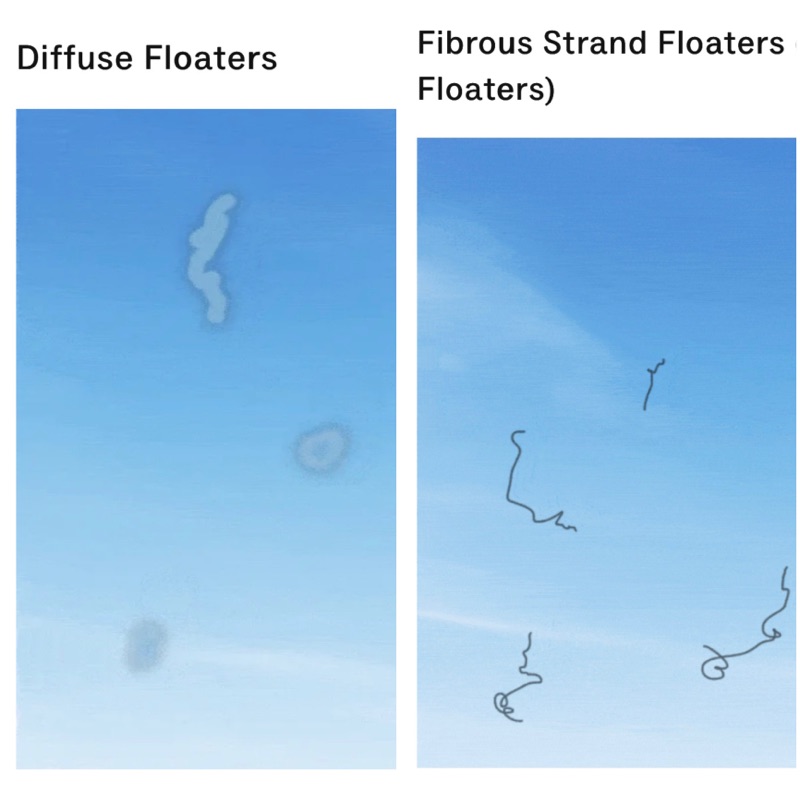
But sometimes they change.
On Wednesday, while we were driving home from an overnight trip, something felt different. It was my left eye. The floaters suddenly looked darker, heavier, and there were flashes of light along the edge of my vision—almost like a bright crescent moon flickering on and off.
At first, I tried to ignore it. After everything I’ve already been through with my strokes, I’ve learned not to panic over every strange sensation. Still, something didn’t feel right.
Around five o’clock I finally told Heather. My biggest fear was a detached retina. I couldn’t help thinking about my stepfather. He lost his eyesight for completely different reasons, but when his vision went, everything in his life changed. He aged quickly. His world grew smaller, and his quality of life slowly slipped away. That memory sat heavily in my mind.
I really didn’t want to go to the ER. Hospitals have become far too familiar to me. And I detest needles because my veins often collapse.
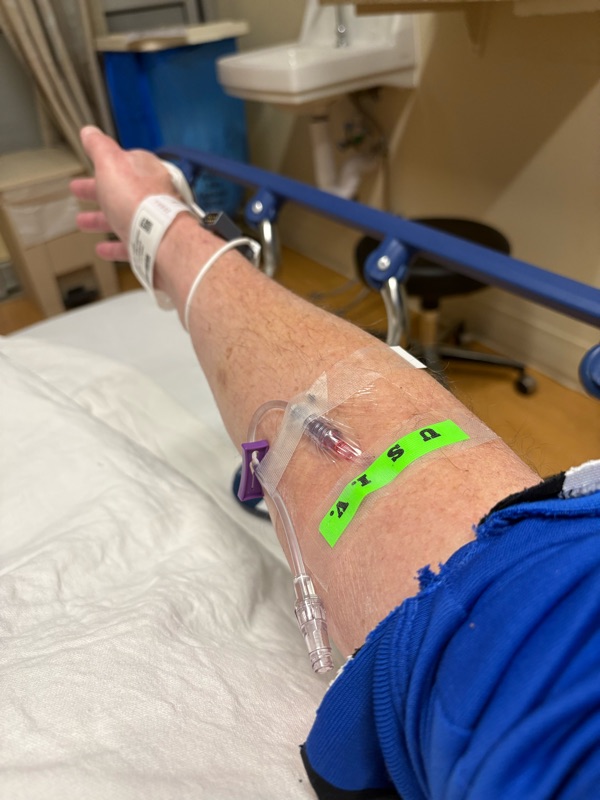
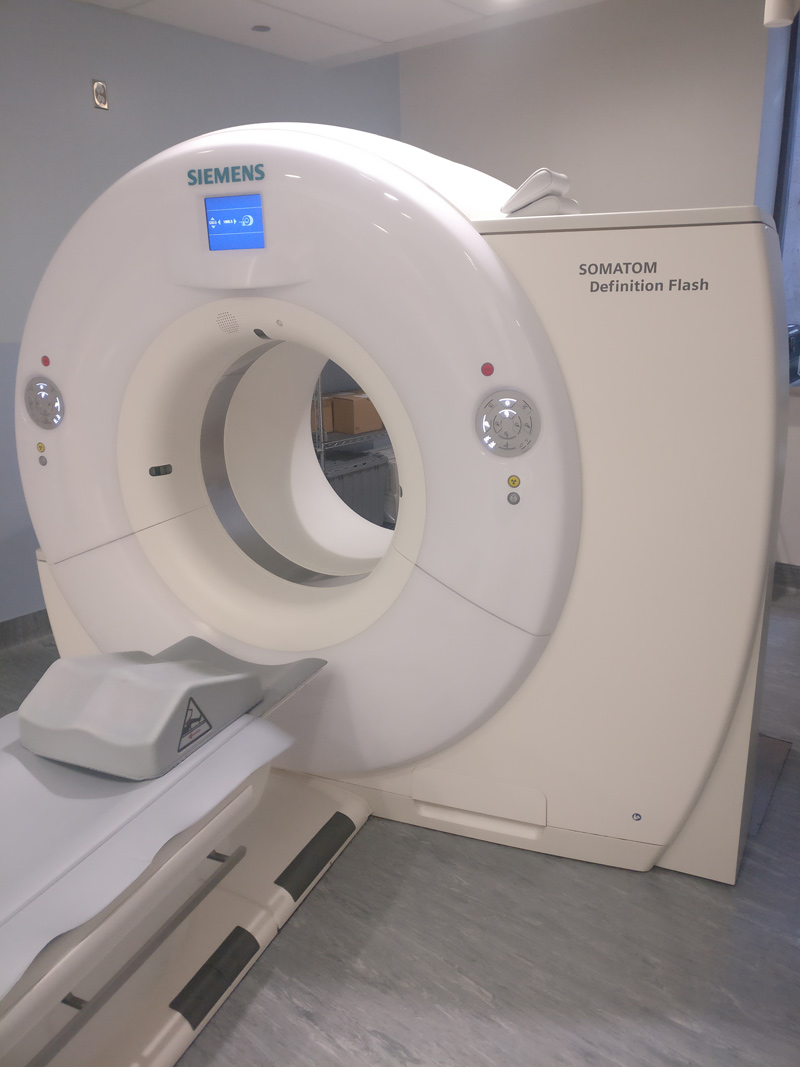 The first concern wasn’t actually my eye—it was my brain. Because of my history of strokes, the ER doctor ordered another CT scan to make sure this wasn’t the sign of another one. The good news was that nothing had changed since my last ER visit in November. For that alone, I was deeply grateful.
But my eye symptoms were still troubling. The sudden dark floaters and flashes of light suggested something else, so the doctor performed an ultrasound directly on my eyeball.
That was one of the strangest sensations I’ve ever experienced.
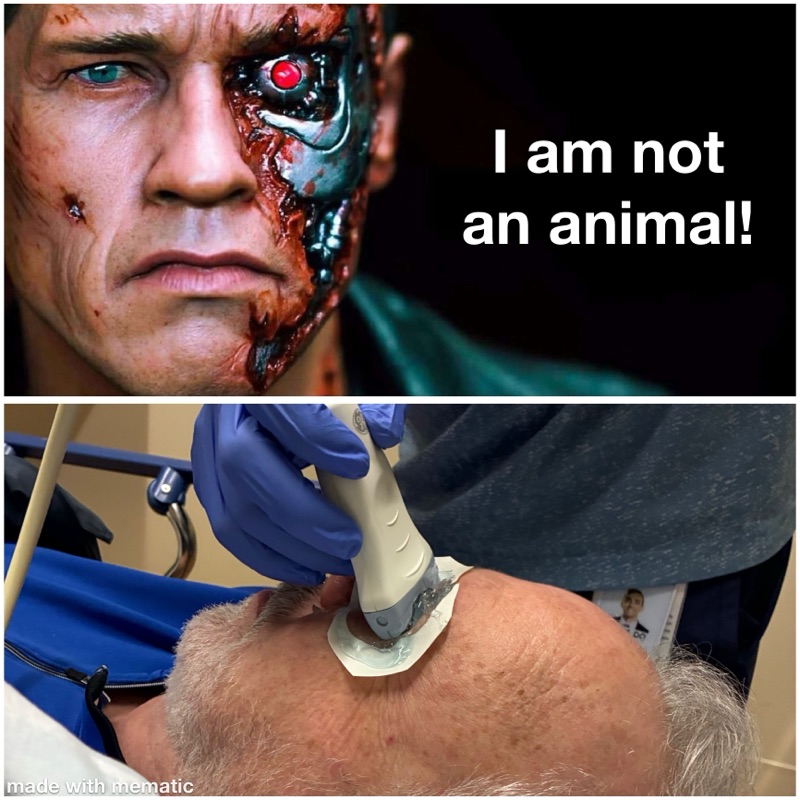
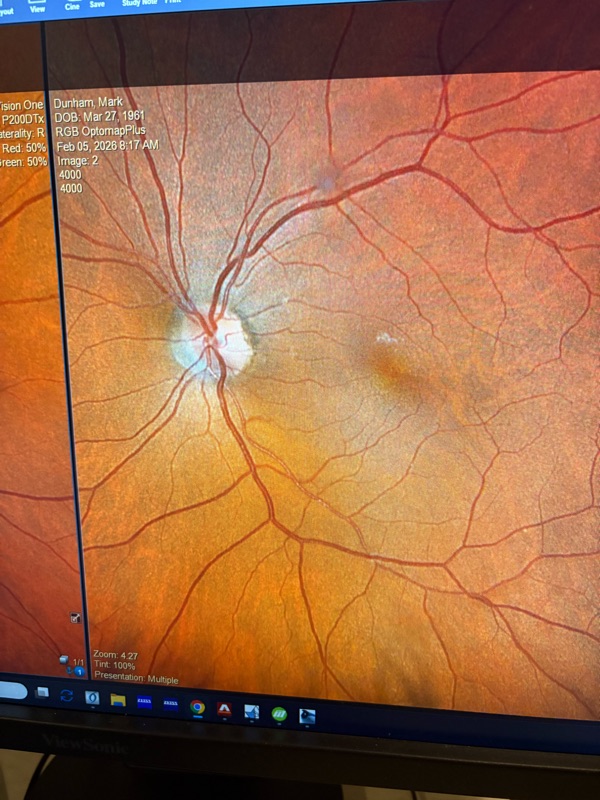
The ER doctor consulted with an ophthalmologist, and both of them were concerned that I might be developing a detached retina—a condition that can lead to severe vision loss if not treated quickly. The next morning, we went to see the ophthalmologist, who put my eyes through an intense series of tests.
For a while, the possibility of losing my sight felt very real.
Thankfully, the news was good. I do not have a detached retina. In two weeks I’ll see a retina specialist just to be sure everything remains stable.
I also remember after my strokes, several doctors said that my vision was affected. Which is true. I have a field cut on my right side.
But the underlying cause of my strokes is a genetic condition called fibromuscular dysplasia.
The past forty-eight hours have been a roller coaster—worry, sadness, fear, moments of hope, and eventually a quiet sense of acceptance.
The floaters are still there. They’re annoying and sometimes distracting. But they’re not stopping me from driving, reading, or living my life.
Like many things since my strokes, it’s simply something I’ll adapt to.
After all… we’ll just have to “see.”
Comments